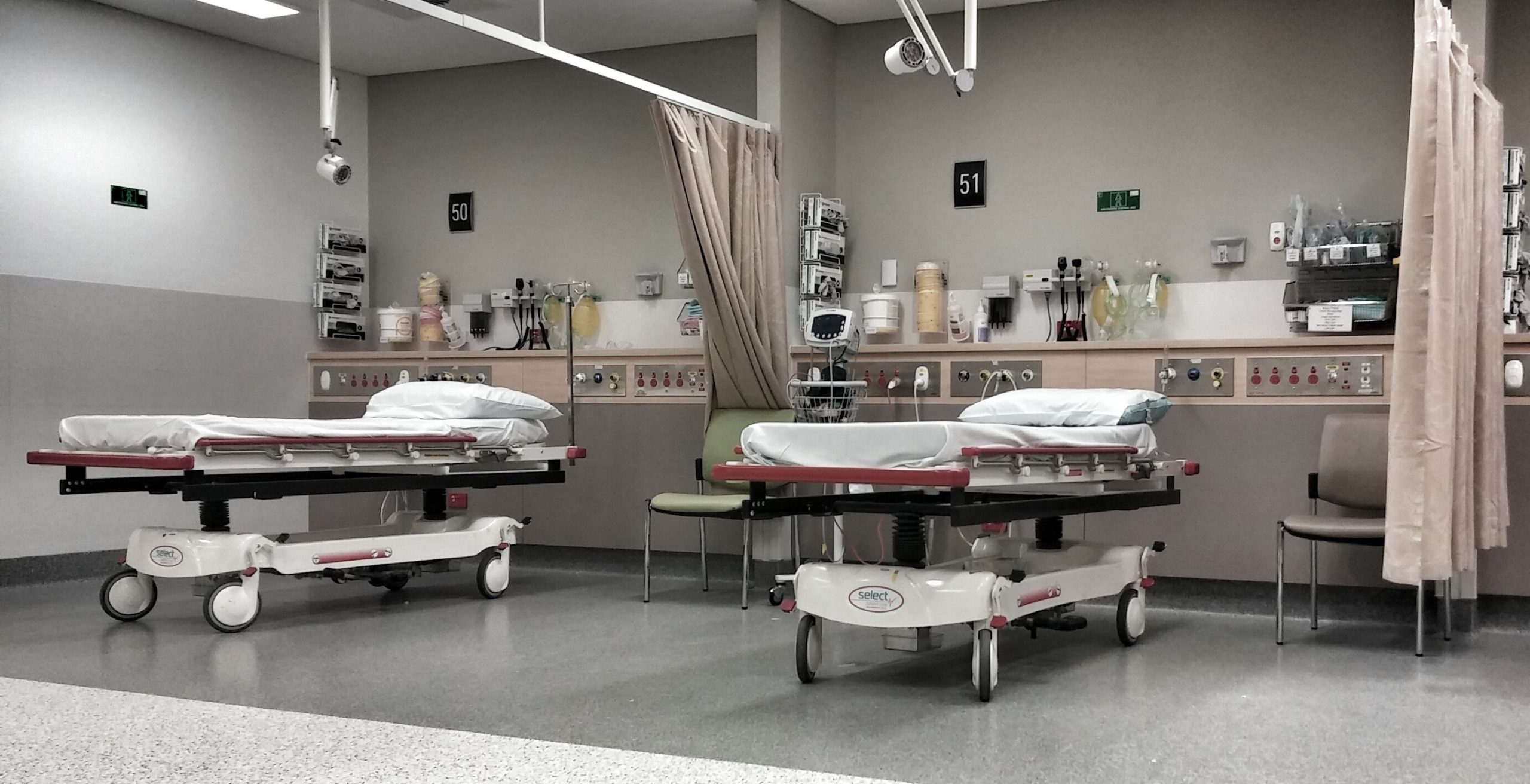
Managing equipment in hospitals isn’t just a logistical challenge-it’s mission critical. The healthcare sector operates under constant pressure to maintain operational status while avoiding replacement costs and ensuring essential assets remain accessible during critical moments.
Managing assets and facilities is one of the significant features in ensuring the continuity of primary and support business activities in healthcare services. The delivery of healthcare services to the communities are significantly affected without effective management implementation. A Systematic Review of Medical Equipment Reliability Assessment in Improving the Quality of Healthcare Services
This article discusses how hospital asset tracking improves patient outcomes and reduces costs. We explore the key challenges in hospital and healthcare settings and how Enterprise Asset Management (EAM) software streamlines maintenance, delivers cost savings, and adds measurable value to your organisation.
Smarter asset management for better hospital performance
Efficient healthcare asset management is essential for hospital administrators aiming to improve operational performance and patient care. By leveraging advanced technologies and standardised processes, you can gain real-time visibility into your medical equipment, supplies, and facility assets.
Healthcare organisations require a considerable and wide range of assets, tools and equipment. With sensible planning and implementation of best practices, healthcare facilities can unlock the full potential of their assets. In your industry, there is no room for error. You need to have knowledge and control of your critical assets, facilities, and medical equipment. Healthcare and Aged Care Overview
Effective asset tracking in healthcare is essential for reducing costs, minimising lost or stolen equipment, optimising utilisation, and streamlining maintenance, all while supporting compliance and safety. With the right systems in place, hospital administrators can reduce downtime, extend asset lifespan, improve staff efficiency, and ultimately enhance patient care.
Modernising the aged care sector
Digital transformation is rapidly modernising the aged care sector in Australia, making it more connected, automated, and sustainable while placing person-centred care at the forefront.
New technologies such as advanced asset tracking, electronic health records, and integrated clinical information systems are streamlining operations, reducing administrative burdens, and improving communication between care teams, residents, and families.
Key benefits include:
- Better Connectivity: Digital systems enable seamless sharing of health information across aged care providers and with national health records, ensuring residents receive coordinated, high-quality care.
- Automation: Automated asset and inventory management reduces waste, minimises downtime, and ensures critical equipment is always available, improving operational efficiency and safety.
- Sustainability: By optimising resource use and extending asset lifespans, digital solutions help aged care organisations operate more sustainably and cost-effectively.
- Person-Centred Care: Digital innovation empowers older people by giving them more ways to access information and services, supporting their preferences and needs, and allowing staff to spend more time on direct care.
Government strategies, like the Aged Care Data and Digital Strategy 2024–2029, are driving this change by setting clear frameworks for digital inclusion, interoperability, and continual improvement, ensuring the sector remains responsive and focused on delivering the best outcomes for older Australians.
The medical asset management problem: too many fires, not enough prevention
As a healthcare organisation you may often deal with issues in locating the right medical equipment, whether for an emergency, regular use, or maintenance. At the same time, from overbuying assets, such as medical devices and supplies, to replacing equipment that still has life, many hospital administrators are spending more than necessary on clinical assets.
Most maintenance teams are doing their best, but without the right tools, they’re stuck putting out fires all day. Unexpected equipment failures drain your maintenance budget and creates chaos.
The cost of inadequate maintenance extends far beyond budget, however. Every minute of downtime erodes your bottom line and stresses your team unnecessarily. Can your business afford to keep gambling with reactive maintenance?
Asset tracking in healthcare: what should be included?
A hospital asset tracking system needs an Asset Management Plan (AMP) to provide the strategic blueprints for effectively monitoring, maintaining, upgrading, and replacing assets. AMPs should include asset classifications, levels of service, standards, risk assessments, decision criteria, life cycle costs, and equipment records.
Asset management planning optimises utilisation, cuts costs, promotes compliance, extends asset lifespan, and increases efficiency. Key steps in AMPs include strategic goal setting, inventory audits, policy and procedure documentation, asset tracking, maintenance scheduling, and technology integration.
Healthcare asset tracking software supports activities

What is your purpose?
The Policy and Objectives set out your company’s approach to asset management—how it’s valued, supported, and resourced. It should be endorsed by the senior leader responsible and align with ISO 55001 and other key policies like Health and Safety or Risk. It must also state or reference your asset management goals.
What do you want to achieve ?
The AMP is a high-level strategy document—not a day-to-day operational plan. It outlines how your organisation will be structured to support asset management plans and achieve asset management objectives through clear KPIs. As per ISO 55000:2014, it defines how organisational goals translate into asset management goals and the system that supports them.
The asset register
An asset register is a comprehensive record that lists all the assets owned by an organisation, including details such as asset type, location, purchase date, cost, current value, and condition. It serves as a central source of truth for tracking and managing assets throughout their lifecycle. From acquisition and use to preventive maintenance that runs like clockwork. By maintaining an up-to-date asset register, businesses can ensure accurate reporting, improve operational efficiency, support compliance with regulations, and make informed decisions about asset utilisation and replacement. An asset register is essential for building an AMP. Without it, tracking progress is nearly impossible.
Asset condition assessment
Recording asset condition is key to applying the right maintenance based on your goals and the asset’s lifecycle stage. Condition assessments help you plan resources wisely, considering factors like depreciation and renewal schedules—especially when assets are nearing replacement. Aim to assess condition annually and compare with previous years to fine-tune your maintenance plans.
Asset criticality assessment
An asset criticality assessment helps you identify which assets matter most by evaluating the risk and impact of failure. This lets you prioritise resources and focus decisions on the most critical assets. This ensures you’re investing the right amount in the right assets.
Annual works plan (short term planning)
The annual works plan outlines your preventive maintenance schedule, typically based on OEM or statutory requirements. You can also include replacement programs and projected corrective maintenance costs—especially if stakeholders need a full total expenditure view.
Work orders (weekly and day to day planning)
Having a planner or scheduler within your asset register to manage work orders frees you up to focus on whether your AMP is delivering its goals. Good planning improves cost efficiency and risk management by ensuring resources are used effectively. Collaborate with contractor management and procurement teams—share asset data and build a database of regular maintenance tasks to help them source the best value.
Asset platform (mobility, API, reporting platform)
Where possible and effective use of a mobility solution for the assigning and completion of your work orders. Ideally having all persons using the same mobile work order application removes the duplication of effort to source data from completed works and manually entering them against the asset on completion of the work orders.
What is an effective healthcare AMP?
An effective Asset Management Plan (AMP) covers several key areas to ensure equipment performance and patient safety. Here’s what it typically includes:
Assets and Equipment Inventory:
A detailed list of all assets within your facilities. This includes (but not limited to):
- Device names and models
- Serial numbers
- Department/location
- Manufacturer details
- Acquisition dates and service history
Preventive Maintenance Schedules:
The plan outlines routine inspections and servicing timelines for each asset. Preventive maintenance reduces the risk of equipment failure and extends its lifespan. It ensures that workers:
- Inspect critical devices more frequently.
- Maintain equipment according to manufacturer guidelines or hospital policy.
- Minimise equipment downtime.
Corrective Maintenance Procedures:
When something goes wrong, the AMP defines how repairs are handled, including:
- Response times based on equipment priority
- Escalation processes for unresolved issues
- Documentation of corrective actions
Safety Checks and Performance Testing:
Regular testing ensures that equipment operates within safe limits. The plan should detail:
- Which tests are required (electrical safety, calibration, etc.)
- Who performs them (in-house teams vs. certified vendors)
- How test results are recorded and reviewed
Staff Training and Responsibility:
Even the best equipment can be dangerous in untrained hands. The AMP plan should specify:
- Which departments are responsible for specific equipment
- Training requirements for operating or maintaining devices
- Tracks refresher training
Regulatory Compliance and Documentation:
Healthcare and hospitals need to meet strict standards from bodies such as health authorities. A good AMP plan:
- Ensures documentation is audit-ready
- Tracks maintenance logs, incidents, and updates
- Helps demonstrate compliance during inspections
Evaluating your organisational risks presented by asset failure helps you determine which assets are most critical for your operations. An effective AMP ensures compliance with regulatory requirements and industry standards.
Keeping accurate records and maintaining scheduled inspections minimises legal risks and avoids costly fines. Enhancing compliance protects your organisation and builds trust with stakeholders and patients.
What a solid asset management system actually does
Asset management sounds like one of those corporate buzzwords — but in reality, it’s about having your equipment, tools, and processes properly tracked and maintained. When done right, it makes life a whole lot easier. Here’s what starts to happen when you have an enterprise asset management system in place:
- You know where your equipment is, who used it last, and what condition it’s in
- You schedule maintenance before things break, not after
- You’ve got a full history of every repair or check-up, ready when you need it
- Compliance isn’t a panic moment — because everything’s already documented
Hardcat solutions make this happen
There are a lot of systems out there, but Hardcat’s enterprise tools for the healthcare industry are built specifically for teams dealing with complex environments like hospitals and healthcare facilities.
- Preventive maintenance that runs like clockwork — set up recurring tasks and stop equipment from failing when it’s needed most.
- Mobile access for your crew — update jobs, check asset info, or log issues in the field (or in this case from the floor).
- Full asset history — no more digging through spreadsheets or paper logs.
- Audit-ready records — you’ll always have proof that inspections, verification audits and maintenance are completed.
Teams using Hardcat have seen fewer breakdowns, faster repairs, and way less stress come audit time. More importantly, they’ve been able to focus on improving processes instead of reacting to problems all day. And honestly, that shift alone is worth it.
Conclusion: Effective healthcare asset tracking
An established enterprise asset management system doesn’t make everything perfect overnight — but it does make it a hell of a lot easier to stay organised, reduce waste, and keep things running smoothly.
Effective healthcare asset tracking and asset management in hospitals is crucial to guarantee that patients have timely access to medical equipment. That assets are in good working condition, thoroughly inspected and repaired to ensure compliance with healthcare regulations.
In addition to raising the standard of care, implementing an appropriate healthcare asset management plan can optimise resource use and workflow execution while providing quick and flexible reactions in the event of an emergency.
Hardcat’s healthcare asset tracking solutions provide you with the tools to take control. If you’re ready for that shift, contact Hardcat’s expert team to explore solutions that deliver real ROI—fast, scalable, and tailored to your enterprise needs.