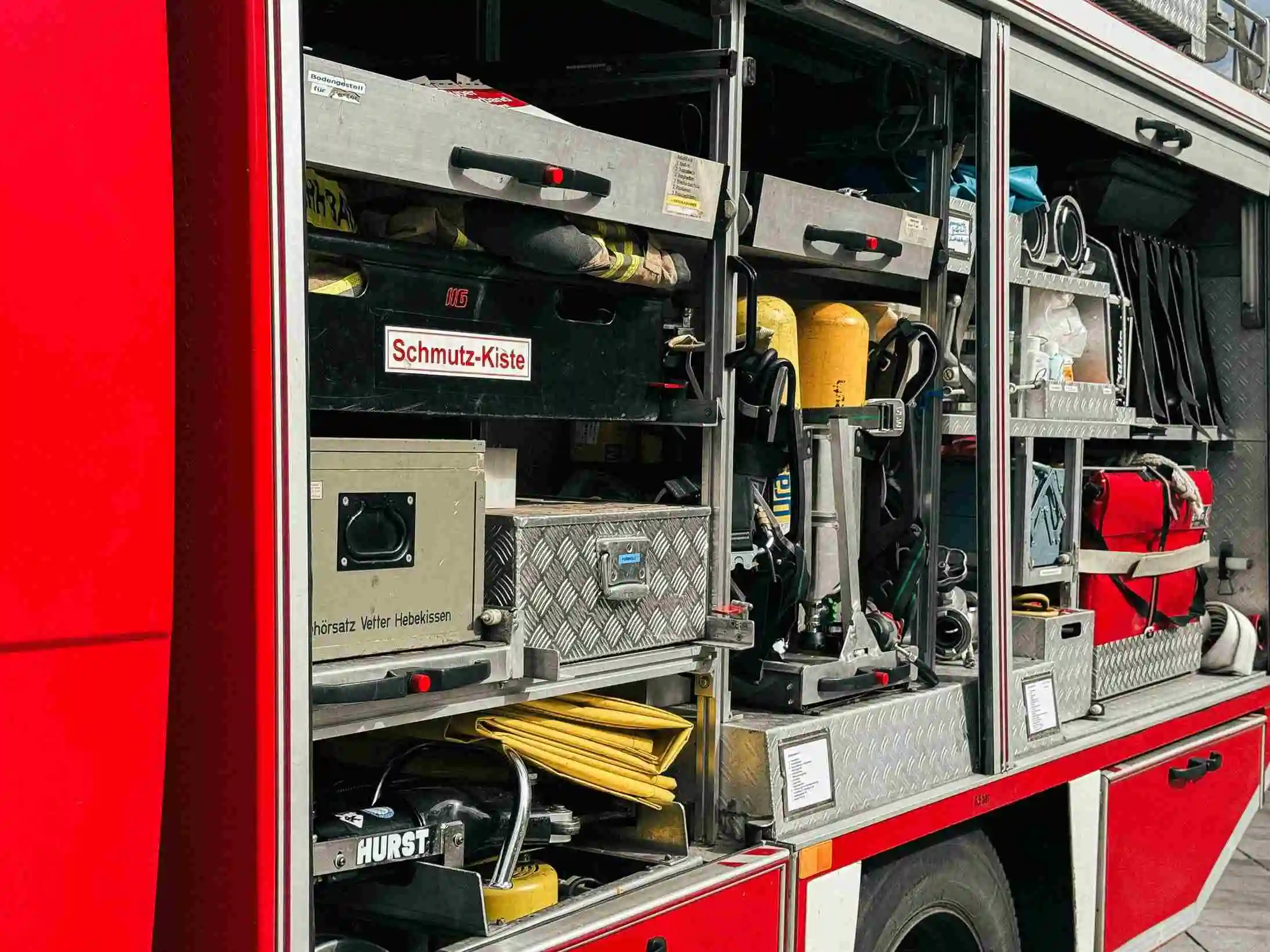
Emergency services face unique challenges in managing and replacing their assets. Specialised fleet and equipment are costly to buy and maintain. With limited funds and competing priorities, it is hard to maintain assets effectively.
Asset tracking and equipment management is a strategy. It focuses on acquiring, maintaining, and disposing of the assets owned or used by the organisation. These assets can be tangible or intangible. Tangible items such as buildings, vehicles, tools and equipment, and IT assets can be maintained and tracked using an enterprise asset management system.
Effective asset management ensures you have the right assets at the right time, in the right condition, and at the best cost. This supports your mission and response activities. It involves careful planning, tracking, and decision-making throughout the asset lifecycle, from procurement to disposal.
Without a centralised enterprise asset management system, it is often hard to know if assets are being used efficiently and effectively; is equipment sitting at one station unused, when it could be in critical operational use at another location?
Assets, tools and equipment management on your phone
Mobile asset management solutions provide the long-term lifecycle management of all assets to achieve sustained performance. It’s essential that emergency services manage and maintain their assets to ensure they have the equipment needed to deliver their services and activities.
The ability to access asset data on a mobile device requires little to no training which is critical with volunteers and a transient work force. If it’s not easy, they won’t use it.
Having access to your asset management data on your phone offers several benefits, especially for organisations managing assets in the field. Here are just some of the benefits:
- Update asset and parts status from anywhere to ensure consistent and reliable asset information.
- Field workers can scan barcodes or RFID tags to check in/out assets and manage assets while on the move.
- Schedule and track maintenance tasks directly from your phone and get alerts for upcoming servicing to avoid unexpected breakdowns.
- Prevents unnecessary purchases by optimising asset utilisation.
- Provides instant insights for better decision-making.
Implementing robust, organisational wide asset management system, your organisation’s assets will to be maintained, pooled, appropriately allocated and properly managed. This enables assets to be centrally purchased, stored at strategic locations, kept in good working order and deployed, when necessary, based on an organisation wide assessment of cost, risk and specific situational requirements to meet the community needs of rapid response.

Asset tracking in emergency management: driving swift and effective crisis response
Hardcat solutions ensure traceability and accountability of all assets and inventory across the enterprise, through enhanced user experience to achieve operational efficiencies, compliances, safety, and consistency for informed decision making and minimising risk.
- Enable reliable and uninterrupted service delivery.
- Save the organisation money in the long term.
- Maximise the effective life of each asset.
- Reduce the organisation’s exposure to risk.
- Avoid unexpected repairs.
- Encourage participation as well-maintained facilities attract volunteers.
- Ensure your facilities, plant and equipment are fit for use, safe and meet participation needs.
Effective emergency services asset tracking
Emergency services asset tracking is vital in responding to natural disasters. It ensures a smooth shift from chaos to recovery. The collaborative efforts of various industries go beyond saving lives to rebuilding communities. Asset tracking is the backbone of preparedness and efficiency. It turns chaos into order. Real-time tracking, facilitated by barcode technology, equips disaster response teams for optimal performance.

Do you know where your most critical operational assets are and are they safe, reliable and fire ready? Mission-critical equipment tracking and maintenance are essential for fire and emergency services, which manage a vast range of assets—from specialised emergency response vehicles like fire trucks and pumpers to crew equipment, communication devices, buildings, and IT systems. Having accurate, real-time information on the location and condition of these assets is vital for operational efficiency and readiness.
Top 10 strategies for asset tracking in emergency management
Asset tracking is a linchpin. It ensures efficient recovery efforts. It also optimises resource coordination, from early preparedness to rapid deployment. Its transformative potential is evident across industries. In essence, asset tracking is more than a tool. It’s a strategic ally, boosting emergency management’s resilience and responsiveness. It boosts readiness for tough times and ensures that we account for all resources.
1. Create a comprehensive asset management plan
A comprehensive asset management plan is the foundation for effective asset management. This plan should outline clear guidelines for acquiring, using, maintaining, and disposing of assets. It should also define roles and responsibilities. It must establish approval processes and set criteria for the optimal asset lifecycle. A clear, concise asset management plan will align all stakeholders. It will ensure that you manage assets with consistency and efficiency.
2. Investing in asset management software will revolutionise inventory management
This can provide real-time information on consumables and parts management, location and usage. These tools enable you to reduce the time and resources required for manual tracking and improve their overall productivity.
3. Preventing asset loss
Streamlining auditing processes, and optimising asset allocation asset management software also facilitates efficient reporting and auditing, ensuring compliance with regulatory requirements.
4. Asset optimisation
This is a crucial components of asset management. This includes conducting regular assessments to identify any necessary repairs or upgrades. But it goes beyond simply preventative maintenance. It’s also about ensuring the asset are being used efficiently and aligns with current needs. By taking a holistic approach, you can ensure you are getting the most out of valuable assets.
5. Use data to gain insights
Consolidated data about how assets are used, including how assets are managed, is very important. By leveraging data-driven insights from modern asset management systems, you can transparently showcase data, highlighting where equipment was/is being used, deployment date, who is using the assets and how long since maintenance was carried out. Budget reports can be shared with governments and the community to demonstrate how their assets are utilised.
6. Routine maintenance
This focuses on preventing problems before they arise. Developing and adhering to regular maintenance schedules for all plant, equipment, and vehicles is key. These practices not only extend the life of the asset but reduce the risk of costly repairs down the line, and ensure the assets always operate at optimal levels.
7. Managing compliance implications
This is an important aspect of asset management. Asset management software can be a valuable tool in this regard, helping you report expenses while ensuring compliance with relevant laws and regulations. Ensuring your assets are being used for their intended purpose.
8. Asset auditing
The ability to conduct internal audits seamlessly. You can maintain detailed logs of asset check-outs and check-ins (issue and return), ethical disposals and review and verify transactions with ease. This not only facilitates compliance but also simplifies the audit process, reducing the time and effort required.
9. Developing a disposal strategy
This can help you effectively utilise your assets until the end of their lifespan and reduce costs over time. Asset management software can be a valuable tool providing features that streamline the ethical disposal process. Ensure that retired assets are disposed of responsibly, minimising environmental impact, maximising value recovery, and complying with legal and regulatory requirements. Additionally, asset management software can send notifications when assets are nearing the end of their lifecycle, prompting timely decisions on disposal, repurposing, or recycling.
10. Meeting regulatory requirements
Emergency services are subject to various regulatory requirements regarding asset management, particularly when it comes to financial reporting and compliance with grant or funding stipulations. By implementing effective asset management practices, you can ensure that they comply with relevant laws and regulations, and that they are able to provide accurate and complete financial reports to regulators and stakeholders.
Hardcat platform – key takeaways
- Supports compliance with best practice asset management Standards (e.g. ISO55000 and AMAF).
- Extends asset life cycle and increase asset ROI.
- Pre-start inspections for Work Health and Safety (WHS) compliance.
- Asset tracking visibility of entire asset base across all sites.
- Tracking movement of loaned assets between hospitals and patients to identify base and current location.
- State-wide audits to verify existence, location, and condition of assets.
- Single source of truth for all records of maintenance for safety, compliance and whole of life cycle cost of assets.
- Informed procurement decisions based on age, condition, and replacement costs of assets.
- Qualification and certification management of personnel/contractors for safety and compliance.
- Dashboards to provide high level view of information for governance and risk management.
- Identification of loaned assets to manage returns.
- User friendly tools minimises training and user on-boarding/roll-out.
- Maintenance and work order management.
- Mobility Application – Android or iOS for field operational management either connected or disconnected mode.
- Evidence and exhibit management software module.
- Dashboards to provide high level view of information for governance and risk management.
- Supports compliance with National Heavy Vehicle Legislation (NHVL).
- Know where your critical consumables and spares are when you need them the most with inventory/consumables management.
Conclusion
Effective emergency services asset tracking is crucial for ensuring mission-critical equipment and resources are always available, compliant, and cost-effective. By using strong asset management strategies and Hardcat’s solutions, organisations can streamline operations, boost compliance, and cut risks. They can also maximise their assets’ lifespan and value. A centralised, mobile-enabled system lets emergency services meet community needs. It ensures reliable, efficient responses.